
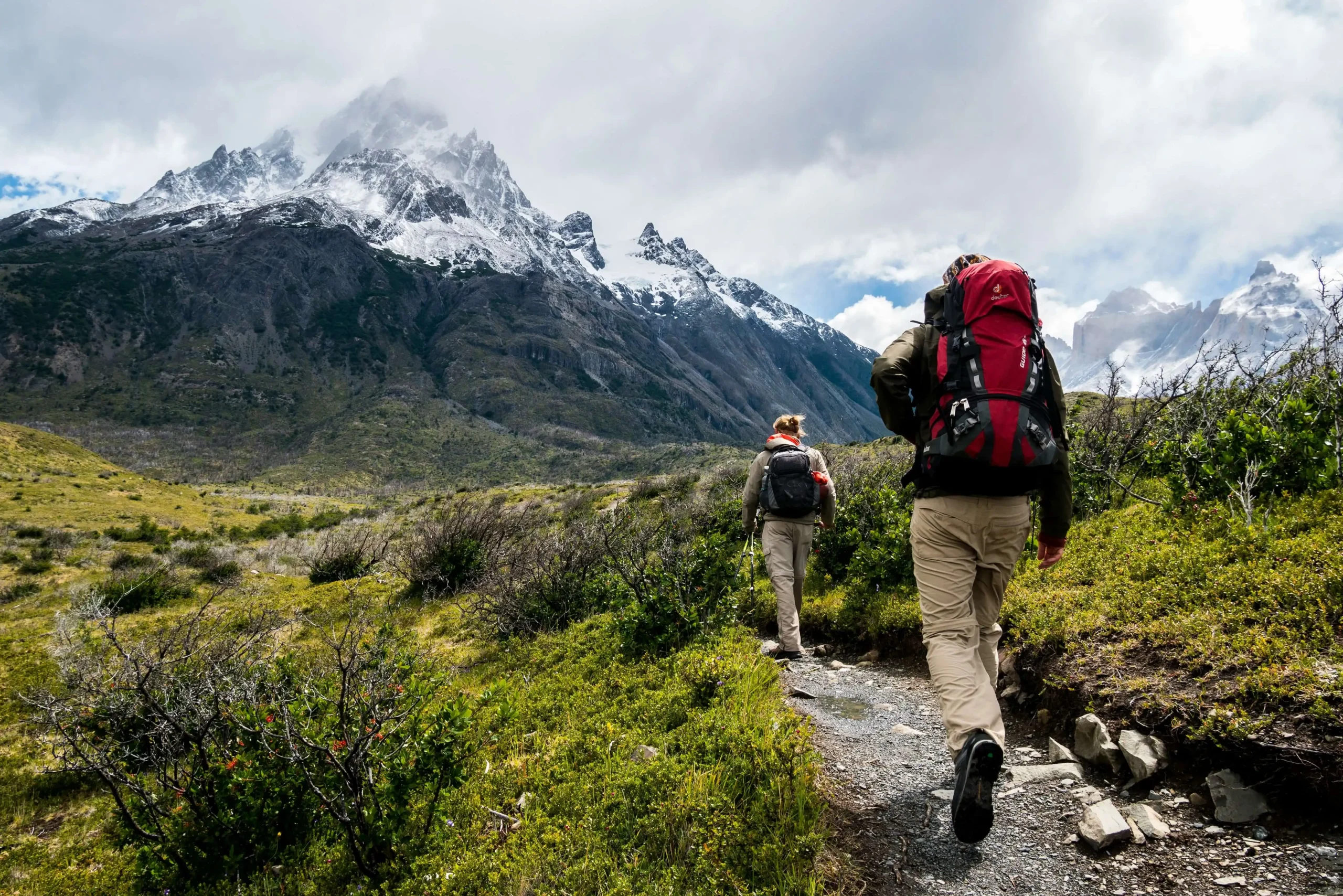
Getting Your Gear Right Before You Go
I still remember my first real hike as a beginner, standing at the trailhead with zero clue what to wear. I’d grabbed random clothing from my closet, and by the third mile I was miserable. That day taught me that hiking clothes aren’t just a fashion choice, they’re what separates an enjoyable day outdoors from a rough one.
The right fabrics matter more than people realize; cotton holds sweat and turns cold fast, while synthetic or wool blends keep you comfortable no matter the temperature. Experts at REI Co-op always stress layering, and once I tried it myself, I understood why: you can adjust as the terrain shifts across the duration of your hiking day.
What you wear also depends on the trail itself. A short walk near the trails by your house needs far less gear than a long trek covering several miles through the great outdoors. Before I even check distance or elevation, I check trail conditions first; mud, rocks, or exposed sections all change what goes in my pack.
Good footwear is non-negotiable; I learned that lesson the hard way after wearing the wrong shoes on rocky ground. There’s a huge variety of gear out there, but sticking to a few solid hiking clothing tips has kept me prepared every time I figure out what to wear hiking.
Quick Answer
The right hiking outfit comes down to layering, fabric choice, and footwear. Start with a moisture-wicking base layer that pulls sweat off your skin, add an insulating mid layer like a fleece or puffy jacket for warmth, and top it off with a waterproof, breathable outer shell to block wind and rain.
Choose synthetic or merino wool fabrics over cotton, since cotton stays wet and cold once it’s damp. For bottoms, pick moisture-wicking hiking pants or shorts that let you move freely, and avoid anything too tight or too loose for the trail. Sturdy, well-fitting footwear matters just as much as clothing broken-in hiking boots or trail runners with good traction protect your feet from rocks, roots, and blisters.
Round out your outfit with a hat for sun protection, sunglasses, and moisture-wicking socks. Always check the weather and trail conditions beforehand, and pack an extra layer in case temperatures drop. Skip heavy jewelry and anything you’d hate to get dirty, and make sure your daypack fits comfortably without weighing you down.
Building Your Hiking Outfit From Head to Toe
- Choose hiking pants or hiking shorts with moisture-wicking and flexible material for easy movement.
- Wear a short-sleeve or long-sleeve hiking shirt made from merino, nylon, or polyester to stay cool and dry.
- Add a hiking jacket, such as polyester fleece, or a puffy jacket or water-resistant down vest for colder conditions.
- Carry a waterproof and breathable rain jacket to block rain and wind, plus rain pants in soggy weather.
- Wear a hiking hat and sunglasses to protect your head and eyes from the sun.
- Choose sturdy hiking footwear with good support, protection, and traction on wet and dry surfaces.
What Not to Wear Hiking
- Avoid cotton and denim when possible because cotton fibers absorb moisture, leaving you sweaty in hot temps and cold and wet in cooler conditions. Choose natural fibers or synthetic fibers with moisture-wicking properties instead.
- Cotton can still work for shorter hikes in optimal weather conditions, and some performance denim blends cotton with elastane or spandex for added stretch and movement.
- Don’t wear clothes you’d hate to ruin or get dirty because dirt and sweat are part of hiking.
- Avoid improper footwear and choose sturdy, well-fitting hiking shoes or hiking sandals. Break in brand-new shoes on shorter trails before taking them on longer hikes to prevent sore feet and blisters.
- Skip loose jewelry, including necklaces and bracelets, because they can get snagged on branches, while rings and earrings can easily get lost. Leave anything precious or irreplaceable at home.
- Avoid heavy, overloaded, or ill-fitting packs. Too much weight can make a trek a slog, while a poorly fit pack can cause chafing and soreness.
Sustainability Features
- Use what you already own by checking your wardrobe for old gym clothes and comfortable apparel before buying new hiking gear.
- Buy secondhand through consignment shops or online retailers to reduce the need for new outdoor clothing and gear.
- Choose durable gear that’s well-made and built to last, then care for and store it properly to extend its lifespan.
- Repair your apparel and gear whenever possible to reduce waste and avoid replacing items unnecessarily.
- Look for bluesign®-certified apparel, which focuses on reducing harmful substances, pollution, and resource use during production.
- Choose recycled materials, such as recycled polyester made from recycled plastic bottles, remnant materials, or repurposed fabrics.
1-Best Underwear to Wear Hiking (For Women!)
Getting your underwear right before you hike can genuinely make or break your day. The secret to comfortable hiking underwear comes down to two things: something that won’t chafe, and something that stays dry the longest.
Some days I skip underwear altogether and just hike in shorts with built-in underwear instead. I know plenty of hikers who swear by wool for sweat-wicking and warmth, but I’ve never fully gotten on board with the wool underwear trend myself.
I lean toward synthetic options like the REI Active Hipsters, which offer enough coverage to double as swim-bottoms on hikes near lakes, or the Athleta Ritual bikinis, which pack down to almost nothing and that I own in bulk.
When it comes to hiking sports bras, I want something thin enough that it never feels cumbersome, yet still offers real support and enough coverage that I’m happy hiking in just the sports bra or swimming in it.
As an outdoor guide who typically wears a M/L and genuinely needs solid support, I’ve tested plenty of options, and no, an old college photo of someone who looks curvy doesn’t tell the whole story. Bottom line: choose underwear that stays comfortable while you’re moving, and if it’s cold out, skip cotton entirely, since it stays cold once it’s wet.
2-Best Shorts for Wear Hiking
For me, the 5″ inseam makes or breaks a good pair of shorts to hike in anything shorter and my thighs start to chafe, and I’ve ended up with actual open sores to prove it.
Beyond length, I always look for shorts that run baggy enough to give comfortable airflow and dry quickly, whether it rains, I sweat through a tough climb, or I jump in for a swim. Patagonia Baggies are my go-to, along with the Stio Goodwin shorts, which come with a handy built-in belt.
Bottom line: I stick to lightweight fabric that won’t hold moisture, so I steer clear of denim shorts though I’ll admit I still hike in jeans now and then on shorter hikes.
3-Best Pants to Wear Hiking
My favorite kinds of hiking pants are leggings with pockets, or loose-fitting pants with adjustable waistbands that give a little room to move. I especially love the REI Trailmade pants as a budget-friendly option that doesn’t make you look like a bird watcher heading out for the day.
For me, a good pair of hiking pants needs to fit my body continuously and comfortably, since my size fluctuates throughout the hiking season a bit bigger in the spring, smaller by fall after months of hiking.
Bottom line: I always go for loose fitting styles that keep bugs from biting through the fabric and that won’t chafe no matter how far I go.
4-Best Shirts and Long-Sleeve Tops to Wear Hiking
I almost always reach for a long sleeve shirt when I’m hiking, and there’s a good reason why: it gives extra protection from bugs and sun, and I can roll the sleeves up whenever I get too warm.
Sometimes, paired with the right sports bra, I’ll just hike in the sports bra alone if things get too hot. For more casual hiking, though, any light-colored t-shirt works well, since darker colors tend to run hotter in direct sun.
I often reach for a loose cotton t-shirt during the summer months. In most other seasons, though, a thin merino wool long sleeve is my favorite top to hike in.
Bottom line: long sleeves offer great sun and bug protection, and wool and synthetic fabrics stay warmer when wet, while cotton stays cool when wet.
5-Pack Extra Layers
No matter the season, I always pack extra layers, since temperature changes can catch you off guard mid-hike. This matters even more when hiking in areas you’re unfamiliar with like the time.
I found myself in the Rocky Mountains on vacation with no idea what the weather would do. I make it a habit to pack a solid midlayer and a sturdy raincoat regardless of the forecast, especially if the hike is longer than two miles. It doesn’t hurt to toss in an extra pair of socks either.
Bottom line: pack those extra layers in case of emergency.
6-Footwear: Socks and Hiking Boots for Hikers
What goes on your feet might be the single most important part of hiking, since blisters alone can make or break a trip. Honestly, a pair of running shoes you’re already comfortable in is often a smarter call than buying brand-new hiking boots just for one vacation, since new hiking boots tend to cause blisters before they’re broken in.
There are two common paths people take: some swear by a solid pair of trail runners instead of boots, since trail runners feel lighter on the feet and dry more quickly than clunky hiking boots, and they’re a favorite of the ultralight crowd.
Others lean toward adventure sandals instead.I’ll admit I’m a hiking boot person through and through. My own pair has lasted over five years and a thousand-plus miles, and I love the extra ankle support and warmth, especially since I live somewhere cold where the trails I hike tend to be rugged and rarely maintained, full of roots and tricky technical footing.
I’ll also admit I just like the look of a classic, clunky hiking boot from the 1980’s, and I’m sticking with it. As for hiking socks, it really comes down to temperature and activity; I personally reach for Darn Tough mid-weight hiker socks, though I’ve learned that socks that are too thick can make your foot sweat, which only invites more blisters.
Bottom line: the best hiking footwear is simply the shoe that works for you.
7-Best Backpacks for Day Hiking
It’s always smart to bring a backpack along on a hike, since it lets you carry water, snacks, extra layers, a map and compass, and safety gear like a whistle, lighter, and headlamp. I also never leave without a first aid kit, a multitool, and some kind of emergency shelter. Basically the 10 essentials for hiking that any guide will point you toward. My favorite backpacks for day hiking are the Cotopaxi Luzon 18, which packs down to almost nothing, and the Gregory Juno, which suits longer day hikes even better.
For hikes shorter than four miles in areas I’m already familiar with, I’ll often just grab a hip pack and clip my water bottle to the strap instead.
Bottom line: a good hiding day pack is one that fits everything you actually need and doesn’t hurt to wear for a long time.