
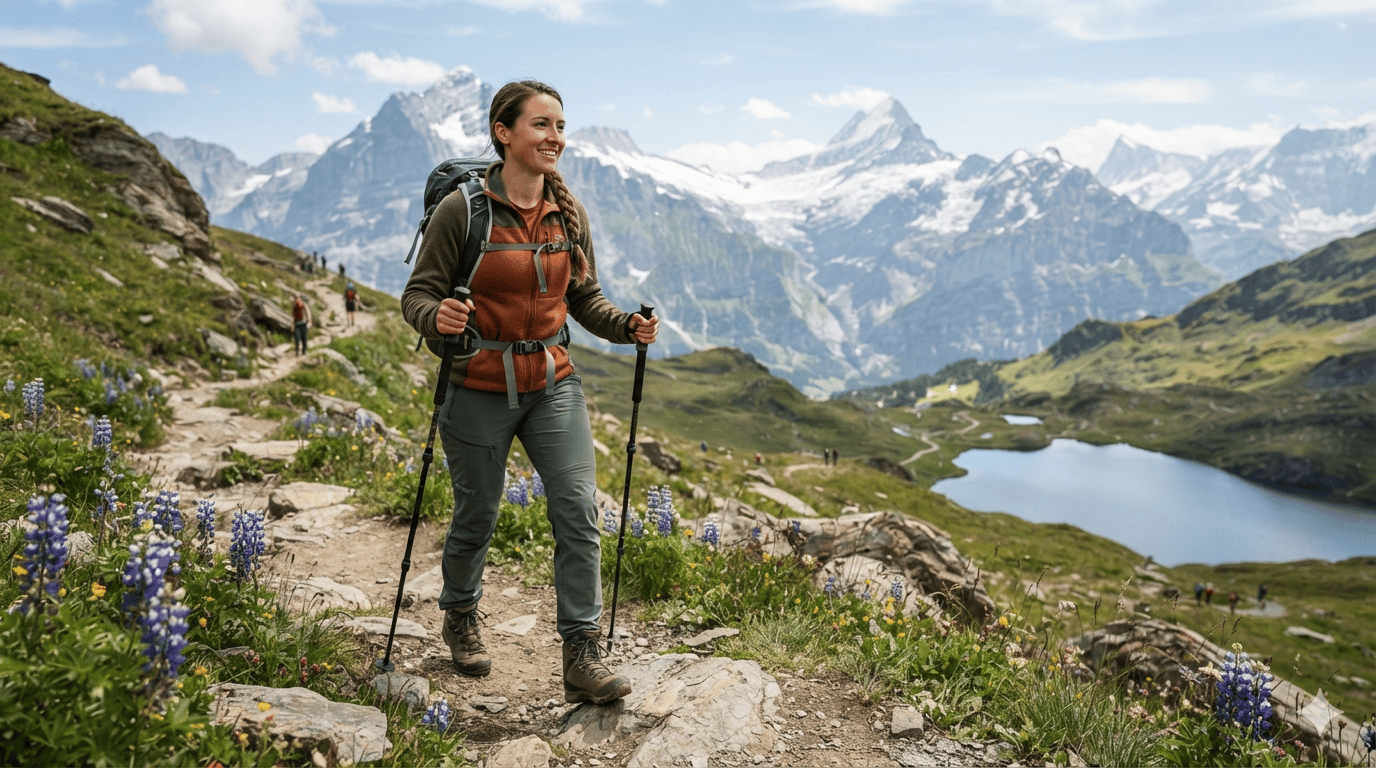
Finding the Right Pair for Every Trail
I tested a dozen hiking pants for women before I found pairs that actually earned a spot in my pack, and I get why so many people feel stuck choosing between leggings and real trail gear.
The market is full of options now, from REI to Prana, Outdoor Research, Patagonia, and Arc’teryx, and picking the right product feels overwhelming when every brand claims theirs is the best.
I ran 18 pairs through casual hiking trips, backpacking trips, and even a few alpine adventures to see how they held up, judging each one on fit, mobility, durability, and versatility, since those are my top priorities whenever I’m choosing gear for my outdoor needs.
Some pants are built lightweight and breathable for hot summer hikes, while others lean rugged and weather-resistant for colder, rougher terrain, so the right decision really depends on where you hike. Every pair I tried had its own pros and cons, and I’ve laid them out honestly so you can weigh them against your own trips.
I put together a full lineup with photo galleries and an image for each pair, so you can see the cut and fabric before you buy. Alongside that, I’ve shared my in-house ratings and my personal favorites from the test, based on real trail time rather than guesswork.
Whether you need something for quick weekend walks or serious backcountry days, this list should make the choice easier.
Quick Answer
The best women’s hiking pants balance comfort, mobility, durability, breathability, and weather resistance. Leggings are lightweight, stretchy, comfortable, and easy to pack, but they offer less protection, durability, and storage. Hiking pants provide better protection from wind, rain, bugs, and rocks, along with useful pockets and adjustable features, though they can feel bulkier and warmer.
Top tested options include the Outdoor Research Ferrosi for stretch and breathability, the Patagonia Quandary for lightweight versatility, the REI Co-op Trailmade for comfort and value, and the Arc’teryx Gamma for premium durability and alpine performance. Other options suit specific needs, from winter layering to rugged backcountry use. The right pair ultimately depends on your trail conditions, weather, preferred fit, and budget.
Leggings vs. Hiking Pants
I’ve been a leggings girl my entire life, and honestly, I still reach for them on plenty of days.
But somewhere along the way, I grew tired of tight clothing and started wanting something more durable for the trail.
Finding the right pair wasn’t easy, because so many hiking pants on the market never seemed to consider a female body when they were designed. That’s exactly why I wrote this post. The pants featured here genuinely make me feel good, and I want them to do the same for you.
If you’re ready to invest in your first pair, let’s break down what I love, and don’t love, about both options.
The Pros of Leggings
Leggings earn their popularity for good reason. They feel comfortable against the skin, thanks to a soft, stretchy fabric that moves with your body and offers a fit well suited to almost anyone. They also pack down small, making them easy to stuff into any bag, and their lightweight build means you barely notice the extra weight on longer days. On top of that, leggings stay versatile enough to handle everything from a quick walk to a full workout, and many pairs come with moisture-wicking fabric that helps keep sweat off your skin during warmer hikes.
The Cons of Leggings
Leggings do fall short in a few areas. They aren’t especially durable, and they don’t protect you from bugs or rocks the way sturdier fabric would. Most pairs also skip pockets entirely, leaving you without anywhere to stash your keys or phone, and they perform poorly when it’s wet outside, since the fabric clings and soaks through fast.
The Pros of Hiking Pants
Hiking pants make up for what leggings lack. They’re built durable, and they protect you from wind, water, bugs, and rocks in ways thinner fabric simply can’t match. Most pairs also come with pockets, so you actually have somewhere to keep your phone or snacks while you walk. They tend to be adjustable too, often featuring belts or ventilation pockets that let you fine-tune the fit and airflow as conditions change. On top of that, they stay warm and offer a better option when it’s wet outside, holding up far better than leggings once the weather turns.
The Cons of Hiking Pants
Hiking pants aren’t perfect, though. They may not feel quite as comfortable as leggings, and their sturdier fabric makes them bulkier, so they don’t pack down as easily in a bag. They also tend to be less breathable on hot days, and depending on the brand, they could end up more expensive than a simple pair of leggings.
The 10 Best Women’s Hiking Pants of 2026
1. Outdoor Research Ferrosi Pant — Women’s
I tested the Outdoor Research Ferrosi Pant, built for women’s trail needs, and it quickly became one of my go-to reviews. The fabric feels soft and comfy from the first wear, and a built-in UPF 50+ rating shields you from UV rays all day.
It shrugs off a light splash thanks to real water resistance, and it delivers a genuinely flattering fit alongside functional pockets I reached for constantly. I appreciated small touches like the mid-rise waist, the fleece-lined waistband, and an integrated drawstring that sits smoothly under a pack’s waist strap. The stretchy fabric moves with every stride, rolls easily, and helps you stay cool on hot days.
My lead tester compared it to a dream, noting the total freedom of movement she felt while canyoneering; she climbed rough terrain and the fabric shrugged off abrasion even against jagged sandstone walls. It also manages to breathe well and dry quickly, and elastic bands at the ankle let you cinch the hems for cleaner footwork on rocky trails.
The fit runs trim through the thighs, though sizing up for extra room can leave a gap at the waist if you have a curvier figure — a waist tie fixes that but creates a less flattering silhouette.
It ranks among the more breathable options I tested, yet it stays a full-length pant, so if you tend to overheat, the convertible version with mid-thigh zips turns it into Bermuda-length shorts instead. Those thigh zippers do limit stretch, so our testers preferred to roll the regular pants rather than unzip the convertible style.
For a less expensive option, I’d point you toward the REI Co-op Trailmade Pants, but if your budget allows the investment, this pair earns it, staying functional, versatile, and ready for real outdoor objectives, from water sports to backpacking trips to day hikes.
Ratings
- Comfort and Mobility: 9.0/10
- Venting and Breathability: 9.0/10
- Versatility: 8.5/10
- Features: 8.5/10
- Durability: 8.0/10
Pros
- Endless stretch
- Mobility
- Great for most outdoor activities
- Lightweight
- Breathable
- Easy to wear through long days on the trail
Cons
- Previous versions delivered more airflow
- Expensive compared to other options on the market
2. Patagonia Quandary — $99
The Patagonia Quandary, priced at $99, works as an all-rounder hiking pants option, staying light and breathable enough for summer use while proving durable for its weight. Its styling crosses easily into daily wear and travel, though it comes up a bit short on stretchiness and mobility — still, it remains a quality choice overall.
This pant has earned its place as a mainstay in the brand’s lineup, and it stands out among our favorites for on-trail use during warm temps. Its moderately thin build won’t weigh you down or cause you to overheat, as long as you skip the darker color options, and the features feel nicely sorted throughout.
One detail worth mentioning involves the internal drawcord used for adjusting the fit; it usually gets in the way and proves hard to access when wearing a pack, sometimes causing uncomfortable bunching against the skin. Patagonia solved this by adding a second set of holes on the waistband, letting you feed the drawcord to the outside instead, which eliminates those complaints entirely.
Ratings
- Comfort & Mobility: 4/5
- Durability: 4/5
- Breathability: 4.5/5
- Weather Resistance: 3/5 (weakest area)
- Features: 4/5
- Sustainability: 5/5
Pros
- High-quality nylon blend
- Resists piling
- Feels tougher than expected
- Lightweight design
- Breathes well in the heat
- Practical features
- Minimalist drawcord for adjusting the fit
- Enough pockets
Cons
- Significantly less give than many alternatives
- Same price as more flexible options
- Trim fit through the thighs won’t suit everyone
3. REI Co-op Trailmade Pants — Women’s
I put the REI Co-op Trailmade Pants, designed for a women’s fit, through everything from hiking and climbing to everyday working and even yoga breaks, and they never let me down. The midrise, roomy design, and stretchy fabric move naturally with your body, and they still manage to pack in all the usual features at a lower price than most competitors. The hand pockets work smoothly, and a zippered option on the right thigh keeps your phone secure. You also get light water resistance, a touch of wind breaking, easy-to-roll hems, and a cinch that lets you seal things up to keep debris out, rounding out these hardworking hikers.
That said, despite the doubled fabric at the back of the ankles and knees, I still have some concerns about the longer-term durability of the lightweight fabric. One tester pressed it with the tip of a paperclip, and it punctured easily, with a few threads that pulled loose. We also noticed a few loose seams forming already, and the button at the waist feels wobbly with no reinforcement behind it.
On top of that, the looser cut can look and feel a little sloppy at times, though the fun colors and relaxed fit still earned genuine compliments from testers.
Ratings
- Comfort and Mobility: 9.0/10 (best-rated trait)
- Venting and Breathability: 5.5/10 (weaker area)
- Versatility: 7.5/10
- Features: 7.5/10
- Durability: 6.0/10
Pros
- Unrestricted comfort
- Well-considered pockets
- Casual good looks
Cons
- Thin fabric
- Loose button
- A few broken threads
- Treated with short-chain PFC-DWR
4. Stio Glide Tech
The Stio Glide Tech stands out as one of the most comfortable hiking pants I tested, thanks to its legging-style build that delivers the smooth, supportive feel people love about leggings, combined with real trail-ready performance for long hikes, scrambling, and everyday movement.
One tester compared it to yoga leggings, crediting much of that comfort to the standout waistband design: the high, wide waistband sits just below the belly button and stays comfortable under a pack’s hipbelt. Stio also adds an infinity drawcord for extra adjustment, though the fit felt secure enough that testers rarely reached for it.
The pockets mark another real upgrade here, since they’re thoughtfully designed with two wide hip stash pockets that easily hold a phone or snacks, plus a zippered front thigh pocket built for smaller valuables like a car key.
Between the overall comfort, a highly dialed fit, and upgraded durability compared to regular yoga pants, this became a favorite daily-driver leggings pick for morning hikes when I didn’t want to break out true trekking pants.
Still, the Glide Tech carries a few limitations that come with being a compressive legging rather than a traditional pant, even though it proved surprisingly versatile across our field tests. It held up well through camp use, snowshoeing, and light scrambling, though the slightly heavier fabric can feel warm during high-output efforts in hot weather, especially compared to pants with a looser cut that allows more airflow.
Ratings
- Comfort and Mobility: 9.5/10 (standout score)
- Venting and Breathability: 7.5/10
- Versatility: 8.5/10
- Features: 7.5/10
- Durability: 8.0/10
Pros
- Strong stretch
- Knee articulation
- Incredibly unrestrictive
- Secure pockets
- Reliable zip pocket
- Clean, tailored fit
Cons
- Not made for bushwhacking
- Less ideal for hot, humid conditions
- Pilling in high-abrasion zones over time
5. Arc’teryx Gamma — $200
The Arc’teryx Gamma, priced at $200, was originally built for climbers, though hikers and backpackers have since adopted it for its durable and protective design suited to alpine environments, and it feels about as premium as gear gets. The fit comes across as exceptional, with every detail feeling thoughtfully sorted, leaving warmth and price as the only real hesitations to consider.
Arc’teryx has built a reputation for producing some of the highest-performance outdoor gear on the market, and the Gamma proves to be no exception to that standard. These midweight softshell pants are engineered for alpine hiking and climbing, yet they stay svelte and well-fitting, avoiding the frumpy or boxy designs typical of the market, so much so that you’ll likely want to wear them for casual travel as well.
Ratings
- Comfort & Mobility: 4.5/5
- Durability: 4.5/5
- Breathability: 3/5 (weakest area)
- Weather Resistance: 4.5/5
- Features: 4/5
- Sustainability: 4.4/5
Pros
- High-quality materials
- Alpine-centric feature set
- Zip pockets
- Cinchable cuffs
- Built-in webbing belt
- Midweight softshell fabric
- Doesn’t stretch out after repeated washings
- Less boxy and frumpy than most other hiking pants
Cons
- Expensive
- Too warm for most summer hiking
6. Prana Halle Straight Pants II
The Prana Halle Straight Pants II were made for anyone who doesn’t want to waste time changing after heading to the trailhead post-work, or between the trail and dinner. My lead tester described them like a polished pair of jeans, but with stretch fabric that moves like a dream and never loses its form. Articulated knees, generous proportions through the hips, and a gusseted crotch let you move freely however you want.
The cut tends to skim the thighs but fits well in the waist, thanks to an integrated waistband built to tailor the fit.
These aren’t the most technical pants I’ve tested. The PFAS-free water-resistant coating only blocks water briefly before soaking into the fabric; it lasted just five seconds in our shower test before getting wet.
None of the pockets secure a smartphone well, either, and the pants aren’t as breathable or windproof as the Outdoor Research Ferrosi Pant. Still, for a typical hike after work that isn’t an epic or technical climb, these pants handle a simple walk in the woods just fine.
Ratings
- Comfort and Mobility: 8.0/10
- Venting and Breathability: 6.0/10
- Versatility: 8.0/10
- Features: 7.0/10
- Durability: 3.5/10 (weakest area)
Pros
- All-day comfort
- Feels polished
- Professional
Cons
- Not as water-resistant as competitors
- Pockets don’t secure a smartphone reliably
7. Fjallraven Vidda Pro Ventilated — $190
The Fjallraven Vidda Pro Ventilated, priced at $190, splits the difference between a work pant and a true hiking pant, appealing to trail-goers and campers who value generous storage, durable materials, and features stacked on features. Thigh vents help balance out this heavyweight pant, though I still wouldn’t recommend it for summer use or fast-and-light travel.
Sweden-based Fjallraven has built a reputation for stylish apparel that toes the line between town and trail, and this pair stands out as one of its fan-favorite hiking pant designs. It marks a real departure from standard lightweight hiking pants in several ways: it’s built using Fjallraven’s flagship cotton/polyester blend, known as G-1000, impregnated with wax for water resistance, making it fairly stiff and wildly durable.
It also features thigh vents, something rarely seen in most hiking pants. Beyond that, it leans into work-pant territory with knee pad slots, a knife holder, and an axe loop at the waist. Altogether, it becomes a genuinely functional pant for the backcountry, especially suited to hunters, fishers, campers, and survivalists, provided you know exactly what you’re signing up for.
Ratings
- Comfort & Mobility: 3/5
- Durability: 5/5
- Breathability: 2/5
- Weather Resistance: 4/5
- Features: 5/5
- Sustainability: 4.4/5
Pros
- Polyester/cotton blend
- More durable than most hiking pants
- Performs well for frontcountry use
- Incredibly functional storage
- Variety of pockets
- Axe loop
- Thigh vents
Cons
- Too heavy
- Thick
- Overly featured for most hikers
- Expensive price
8. Arc’teryx Kyanite
The Arc’teryx Kyanite quickly became my lead tester’s winter staple across months of testing while she was professionally guiding snowshoe trips through the Rocky Mountains. The inside of these leggings uses brushed fleece, which feels wonderfully cozy and soft, keeping her comfortable through changing mountain conditions.
She described reaching for the Kyanite on every one of her guiding snowshoe days, noting how they seem to disappear on your body in the best possible way, while staying warm enough for frosty, breath-fogging alpine mornings. She even mentioned being able to sit and prepare gourmet trail lunches on a frozen lake and still stay warm throughout.
Stretch proves excellent, allowing genuinely unrestricted movement while hiking, setting snowshoe tracks, and layering comfortably under outerwear. The streamlined fit slips easily under shells without ever feeling restrictive, which makes it especially effective as part of a layering system.
Ratings
- Comfort and Mobility: 9.5/10
- Venting and Breathability: 7.0/10
- Versatility: 5.0/10
- Features: 6.0/10
- Durability: 6.5/10
Specs
- Cut/Rise: Legging
- Sun Protection: Not specified
- Water Resistance: No
- Convertible Features: No
- Measured Weight: 249 g (8.8 oz)
Pros
- Great mobility
- Overall comfort
- Good warmth-to-weight ratio
- Very cozy and fleecy interior
- Layers easily under shell pants
Cons
- Not made for very wet or windy conditions
- Fit may feel restrictive for broader builds
- Fabric pills over time in high-abrasion areas
9. Fjallraven Keb Curved — Women’s
I put the Fjallraven Keb Curved, built for a women’s fit, through real abuse — trekking trousers dragged through bushwhacking across a field of thorns and scooting down jagged rocks — and they came out without a single scratch or thread pull.
The G-1000 blend proves practically impenetrable, and I’d happily take these on high mountain climbs or anywhere the approach turns dicey, though they hold up just as well on flat terrain in stormy weather, since the fabric stays incredibly water-repellent.
These trousers work well across most seasons, though I’d recommend wearing long johns underneath during winter. I also love that they’re compatible with Fjallraven’s affordable Greenland Wax, so once the water repellency starts to fade, you can simply reapply it and keep using these pants for years to come.
They run expensive, but you’ll get your money’s worth in the long run. My curvier testers especially loved the fit of the curved version, while Fjallraven also offers a non-curved version of the Kebs for those with narrower frames.
Ratings
- Comfort and Mobility: 4.0/10
- Venting and Breathability: 8.0/10
- Versatility: 6.0/10
- Features: 7.5/10
- Durability: 9.0/10 (strongest area)
Specs
- Weight: 21 oz (595 g for a size 8)
- Inseam options: 30″, 32″, 34″
- Cut/Rise: Curvy, mid-rise
- Sun Protection: Not specified
- Water Resistance: Greenland Wax (reapplicable), PFC-free fabric
- Convertible Features: Adjustable snap
Pros
- Many colors and sizes
- Highly durable fabric
- Rain rolls right off
- Lots of venting features
Cons
- Stiff seams chafe against the skin
- Expensive
10. Fjallraven Abisko Trail Stretch
The Fjallraven Abisko Trail Stretch works as a lightweight softshell pant with clean, everyday styling, making it a solid pick for shoulder-season hiking and casual use, though the waist design isn’t my favorite.
Fjallraven’s hiking pants lineup can feel a bit intimidating, so let me break it down. At the top of the lineup sits the rugged Vidda Pro, which emphasizes durability through its G-1000 fabric and tends to appeal to the hunting or bushcraft crowd. One step down, the Keb offers a highly technical trekking model with a bit more breathability and mobility, thanks to a stretch-woven base fabric.
Then there’s the Abisko Trail Stretch itself, which sits toward the lighter, more approachable end of the spectrum, blending softshell comfort, everyday-friendly styling, and mild-weather trail performance into a versatile package that transitions seamlessly from the trail to town.
Ratings
- Comfort & Mobility: 4.5/5
- Durability: 4.5/5
- Breathability: 3.5/5
- Weather Resistance: 4.5/5
- Features: 3.5/5
- Sustainability: 4.2/5
Pros
- Great styling
- Suitable for outdoor and everyday use
- Excellent comfort
- Soft, stretchy fabric
- Solid weather resistance
- Effective DWR performance
- Good wind protection
- Three generously sized zippered pockets
Cons
- Too much pant for hot-weather hiking or high-output use
- Disappointing waist design
- No built-in belt
- Bulky belt loops
- Snap closure failed early in testing
- Elastic drawcords at the legs are excessive