
Finding the Pair That Actually Works for Your Feet
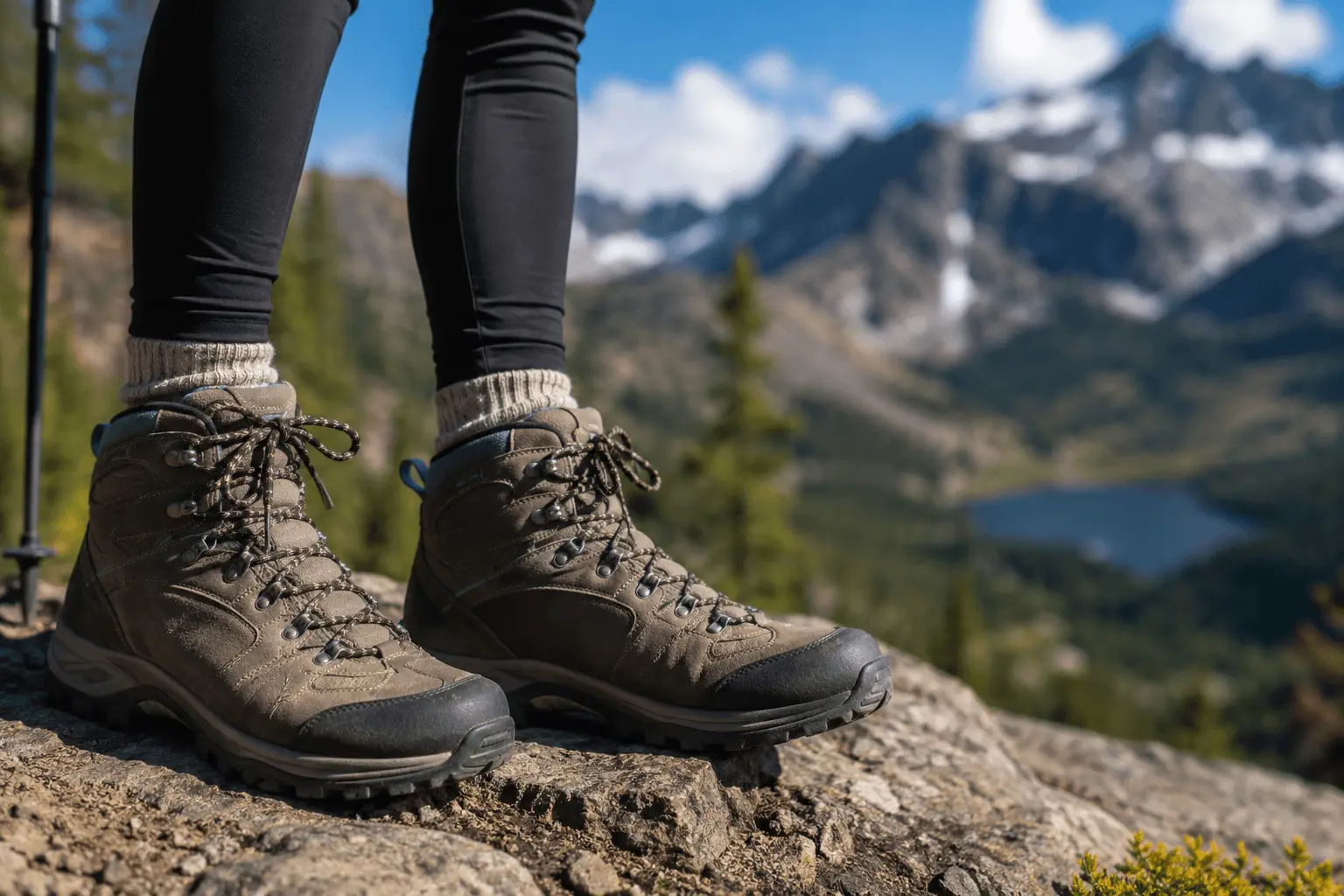
If you’re hunting for the best women’s hiking boots on the market, here’s the truth: the best pick isn’t some universal winner, it’s whatever pair happens to fit your foot and match your specific hiking boot needs.
What counts as the best boot for me won’t necessarily be what works for everyone, but I can still walk you through some of the best hiking boot options out there. Whether you’re heading out for a day hike or tackling a full backpacking trip, having the right pair of women’s hiking shoes or hiking boots makes a genuinely huge difference, because happy feet really do add up to a happy hiker.
The right shoe varies person by person simply because everyone’s feet are shaped differently, so what works for one person might fall flat for someone else, which is exactly why finding something comfortable for your own feet matters more than any single recommendation.
I’ve earned these opinions the hard way, hiking over 8,000 miles over the past six years, including full thru-hikes of the Pacific Crest Trail and Continental Divide Trail, plus countless hikes throughout Washington State, so I’ve tried more than my fair share of boots and shoes along the way.
With so many options flooding the market, my goal here is simply to help you narrow down your search. I won’t claim to cover every single hiking shoe that exists, just the ones I’ve personally worn, genuinely love, and confidently recommend, including my all-time favorite hiking boots, top trail runners, and a few practical tips to help you land your perfect pair.
Quick Answers
The best women’s hiking boots depend on your hiking style, foot shape, and trail conditions. Rugged terrain, winter hikes, and heavy packs often require supportive waterproof boots, while lightweight trail runners work better for long-distance adventures.
Top options like Danner Mountain 600, Columbia Newton Ridge, Merrell Moab 3, Altra Lone Peak, and Topo Athletic Ultraventure offer different benefits for various hikers. Focus on proper fit, toe box space, traction, comfort, and durability before choosing a pair. The right hiking footwear should keep your feet protected, comfortable, and ready for every mile, whether you’re exploring local trails or completing a long backpacking journey.
Key Factors to Consider When Choosing Shoes or Boots for Hiking
- Choose Footwear Based on Your Hiking Style
- Pick shoes according to your activity, such as day hikes, backpacking trips, or long thru-hikes.
- Trail runners work well for long-distance hikes because they are lightweight and dry quickly.
- Waterproof hiking boots are better for cold weather, winter hikes, and wet conditions.
- Non-waterproof shoes are often better for hot weather because they provide better breathability.
- Focus on Proper Fit and Comfort
- Choose a shoe with a wide and comfortable toe box to allow natural toe movement.
- Leave extra room because feet often swell during long hikes.
- Consider wide-fit options if you have broader feet.
- Always try shoes before buying to ensure a comfortable fit.
- Consider Material and Durability
- Leather hiking boots offer excellent durability, water resistance, and abrasion protection.
- Leather can feel warmer and less breathable in hot conditions.
- Synthetic materials are lighter, more breathable, and dry faster.
- Check Traction and Sole Performance
- Look for reliable outsoles, such as Vibram soles, for better grip on wet and rocky surfaces.
- Good traction improves safety on uneven trails and slippery terrain.
- Balance Support and Flexibility
- Stiffer footwear provides better stability when carrying heavy backpacks.
- Flexible hiking shoes feel more natural and comfortable for casual hikes.
- Choose cushioning based on your hiking distance and comfort needs.
- Pay Attention to Small Details
- A secure heel fit helps prevent slipping and blisters.
- Proper sizing reduces toe impact during downhill sections.
- Consider going half to one full size larger for long hikes.
- Prioritize comfort over brand names or appearance.
Hiking Boots vs. Hiking Shoes vs. Trail Runners
- Hiking Boots: Best for Support and Protection
- Provide more ankle support and overall protection.
- Ideal for rugged terrain, cold weather, winter hikes, and challenging trails.
- Work well when carrying a heavier backpack.
- Offer better durability and protection against rocks, roots, and rough surfaces.
- A good choice for hikers who prefer extra stability and structure.
- Hiking Shoes: A Balanced Option
- Provide a middle ground between hiking boots and trail runners.
- Offer more support and durability than trail runners without the extra weight of boots.
- Include stronger materials and added protection for rocky trails.
- Help protect feet from impacts like toe bumps and uneven terrain.
- Suitable for day hikes, moderate trails, and mixed conditions.
- Trail Runners: Best for Lightweight Hiking
- Designed for speed, comfort, and long-distance movement.
- Lightweight, breathable, and highly flexible.
- Popular for backpacking, thru-hiking, and long hiking days.
- Usually made with synthetic materials that dry quickly.
- Non-waterproof designs improve airflow and help manage moisture in warm conditions.
- Choose Based on Terrain and Season
- Use hiking boots for rough trails, winter conditions, and heavy loads.
- Choose hiking shoes for versatile everyday hiking.
- Select trail runners for long-distance hikes, hot weather, and lightweight setups.
- Consider Your Ankle Strength and Comfort
- Boots provide extra structure and support for hikers who need more stability.
- Lightweight footwear can help build natural ankle strength over time.
- The best choice depends on your comfort, hiking style, and trail conditions.
Danner Mountain 600 Leaf GTX Women’s Hiking Boots
My Favorite Hiking Boots!
Quick Details:
- Type: mid-height hiking boot
- Waterproof: yes
- Weight: 2 lbs (pair)
- Wide Toe Box: yes
- Traction/Sole: Vibram outsole, my favorite type of soles, with great traction
- Wide Option Available: yes
- Best For: backpacking, rugged terrain, wet conditions, winter hiking, snowshoeing
Why These Are My Go-To Boots
I’ve been wearing these boots for 4 years now, and I absolutely love them. They’ve earned their spot as my go-to hiking boots, and I’ve worn the same pair through hundreds of miles of trail and countless backpacking trips, which says everything about their durability and comfort.
They double as my go-to winter hiking boot too, since they’re genuinely waterproof, and I reach for them whether I’m snowshoeing, hiking, or backpacking.
I find them very comfortable and appreciate that they’re not too heavy, since some hiking boots can feel very heavy, but these never do. The Vibram sole delivers really good traction on every surface, and I’ve worn them through very wet and rainy hikes where my feet have always stayed dry. They also come in different colors and with different laces, so you can choose whatever color fits your style best.
Are They Worth the Price?
Yes, these boots are an investment, but they’re absolutely worth it. They’re genuinely high-quality, comfortable, durable, and will last you many of hiking, and trust me, I hike a lot. I reach for the Danner Mountain 600 on most of my day hikes and backpacking trips, and they double as my go-to winter hiking shoe whenever I’m snowshoeing too.
That said, if I’m tackling a 12+ mile hike or a multi-night backpacking trip, I’ll usually switch over to a trail runner instead.
Columbia Newton Ridge Plus Waterproof Amped Hiking Boots
Quick Details:
- Type: mid-height hiking boot
- Waterproof: yes
- Weight: 1 lb 11.6 oz (pair)
- Wide Toe Box: no
- Traction/Sole: Omni-Grip non-marking rubber, good for dirt and rocky trails, though not as much traction as Vibram soles
- Wide Option Available: yes
- Best For: day hikes, beginners, budget-friendly option
Why I Started Here
These were my first hiking boots, bought for myself back in 2020, and they’re honestly a great budget hiking boot if you’re looking to get into hiking without wanting to spend a little less committing a ton of cash upfront to hiking boots, especially since they often go on sale for less than $90, making them one of the more affordable women’s hiking boots around.
I’ve worn these boots hiking all over Colorado, Utah, and Washington, and they’ve held up as waterproof, lightweight, and supportive, which makes them a solid pick for day hikes or casual backpacking trips. They also come in lots of colors, which is a fun bonus since you get to choose the color you love most.
How They’ve Held Up
In my experience, I found they deliver great traction, though since they’re a more budget-friendly shoe, they aren’t quite as durable as some of the pricier options on this list; still, I got a solid couple years of hiking out of mine before retiring my pair, and for the price point, that felt genuinely reasonable.
I reach for the Columbia Newton Ridge mainly on day hikes and shorter trips when I want something lightweight and supportive but I’m not quite ready to invest in a more expensive hiking boot. If you’re hiking occasionally or just getting into hiking, these boots are a great place to start.
Merrell Moab 3 Mid Waterproof Hiking Boots – Women’s
Quick Details:
- Type: mid-height hiking boot
- Waterproof: yes
- Weight: 1lb 12.9 oz (pair)
- Wide Toe Box: yes
- Traction/Sole: Vibram outsole
- Wide Option Available: yes
- Best For: day hikes, backpacking, beginners, all-around use
The Merrell Moab 3 earned its spot as one of the most popular women’s hiking boots for a reason: it’s genuinely comfortable right out of the box, stays supportive, and handles various trail conditions without complaint, making it a solid choice if you want a dependable hiking boot you can count on.
One detail I appreciate is that these boots also come in a low-cut shoe version, so you can pick whichever style suits your personal preference. While I personally wear my Danner Mountain 600’s more often simply because I love the way they fit me, I’d still highly recommend the Moab 3 as a genuinely reliable and comfortable option that runs a bit more budget-friendly than the Danner’s.
Altra Lone Peak Women’s Trail Runners
The Altra Lone Peak lineup includes the Altra Lone Peak 9 Women’s Trail Runners, the Altra Lone Peak Women’s Hiking Boots, and the Altra Lone Peak 9+ Women’s Trail Runners, which come with a Vibram sole.
Quick Details:
- Type: trail runner (also available in a boot version)
- Waterproof: non-waterproof and waterproof options available (I prefer non-waterproof since they dry faster)
- Weight: 1 lb 3 oz (pair) — genuinely lightweight!
- Wide Toe Box: yes
- Traction: MaxTrac Sole on base models; the Lone Peak 9+ has a Vibram sole
- Wide Option Available: yes
- Best For: day hikes, backpacking, thru-hiking, long hikes/high-mileage days
Why I Keep Coming Back to These
I’ve worn Altra Lone Peaks for over 7,000 miles of hiking, including thru-hikes of the Pacific Crest Trail, John Muir Trail, Continental Divide Trail, Arizona Trail, and Wonderland Trail. I genuinely love these shoes for hiking since they’re lightweight, comfortable, and pack a very wide toe box that honestly feels like wearing hiking slippers, they’re that super comfy.
Of every shoe in this post, these have the roomiest toe box by far, which makes a real difference on long days on trail once your feet swell.
They’re also comfortable right out of the box, and I typically squeeze about 500 miles out of each pair of shoes. I’m super excited that Altra finally released a Vibram sole option with the 9+, giving these better traction than before.
One quirk worth knowing: Lone Peaks are a zero-drop hiking shoe, meaning they keep a level height between the heel and forefoot, almost like walking barefoot.
Most hiking shoes carry some drop between forefoot and heel, so it does take some time to get used to a zero-drop shoe; I’ve been in Lone Peaks since 2019, so my feet are used to it by now, but if you’re new to them, I’d recommend starting with shorter hikes or easy walks first.
Lone Peaks have become my go-to hiking shoe for thru-hikes, long day hikes (anything 12+ miles), and multi-night backpacking trips, and since I’ve worn them since 2019, I plan to continue to wear them for years to come.
Topo Athletic Ultraventure Trail-Running Shoes – Women’s
Quick Details:
- Type: trail runner
- Waterproof: no
- Weight: 1 lb 0.6 oz (pair) — genuinely lightweight!
- Wide Toe Box: yes
- Traction/Sole: Vibram sole
- Wide Option Available: yes
- Best For: day hikes, backpacking trips, thru-hikes, trail running
Last year, once all my Altra Lone Peaks were finally worn out, I needed a new trail runner and wanted to try something new, so in 2025 I picked up the Topo Athletic Ultraventures and ended up wearing them for hundreds of miles of hiking and backpacking that same year.
I wore these all over Washington State and during my thru-hike of the Sunshine Coast Trail, and I genuinely love that they come with a Vibram sole. They still offer a wide toe box, but they run less wide in the heel section compared to the Lone Peaks, so my feet don’t slide around in them nearly as much.
I actually enjoy trail running in the Ultraventures because I feel more control underfoot, whereas I’ve never wear the Lone Peaks for actual trail running, since my feet slide around in them a bit and they only work for me on regular hikes.
One of my main reasons for trying the Ultraventures came down to that Vibram sole, especially since the Lone Peak 9+ version hadn’t been released yet at the time; I needed a bit more traction given the style of the trails I’d been tackling around Washington.
I love these shoes and find them super comfy right out of the box, plus they deliver a bit more support than the Lone Peaks do. They run slightly less wide than the Lone Peaks too, which actually works fine for me since I have a narrow foot.
Unlike the Lone Peaks, these aren’t zero-drop, so if you’re hunting for a genuine non-zero drop trail runner, this fits the bill. I reach for the Ultraventures on longer day hikes, casual trail runs, longer backpacking trips, or full thru-hikes.
Teva Hurricane : Best Hiking Sandal
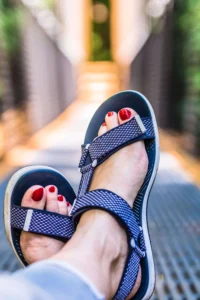
The Teva Hurricane is another popular option for hikers, especially for warm weather hiking when you know you’ll trek through the water along the way; just pair with socks for a little extra protection, then hike on.
I wore mine for most of my 70-day sea kayaking trip through British Columbia, and they turned out to be a really great choice for a trip that mixed travel by water with plenty of hiking.
That said, they’re not ideal for longer treks, think anything longer than five or six miles, but as a good hiking shoe for beach-y hikes and warm weather filled with playing and swimming, they genuinely deliver.
Teva Hurricane Bottom Line:
- Good traction, good for beach hiking
- Open-toed, not ideal for longer hikes